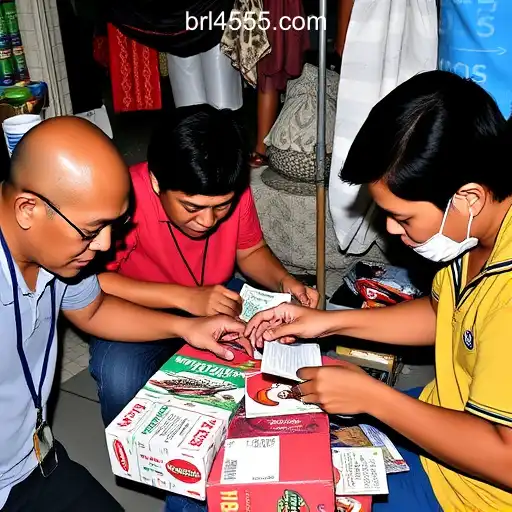
Understanding Jueteng: A Deep Dive into its Cultural and Economic Impact
Jueteng, an illegal numbers game in the Philippines, has been a long-standing issue that intertwines deeply with cultural, social, and economic aspects of Filipino society. Historically prevalent and culturally significant, Jueteng reflects a complex relationship between tradition, governance, and the allure of quick money. Despite numerous crackdowns, its entrenchment within the society remains quite prominent.
The Origins of Jueteng
Jueteng finds its roots in the colonial era, introduced during the Spanish occupation. Over centuries, it evolved into more than just a gambling pastime; it became a livelihood for many communities, a source of entertainment, and, controversially, a means to facilitate corruption. Perhaps part of its staying power lies in its simplicity—players bet on number combinations and await the draw. Winners amass substantial payoffs, enough to attract millions and create an informal economy around it.
Social Fabric and Community Influence
The pervasive nature of Jueteng reaches into the heart of Filipino society. Often operated at the grassroots level, it is run by community leaders who serve as collectors, known colloquially as "kubradors." These individuals are essential in maintaining the local acceptance of this illegal activity. Moreover, Jueteng's integration into the daily lives of many Filipinos often positions it as a social equalizer; it attracts people from various socioeconomic backgrounds, providing excitement and hope for better financial scenarios.
Ironically, while illegal, Jueteng offers a semblance of structure and orderliness within the chaos of its existence. In some ways, it mirrors the day-to-day struggles and resiliency of the Filipino people, their pursuit of luck symbolizing their relentless hope amid economic hardships.
Economic Implications and Local Persuasion
The economic footprint of Jueteng is notably substantial. Despite its illegality, it generates millions of pesos daily, a considerable amount contributing to the informal economy. Each stakeholder in the Jueteng chain, from the bet collector to the operator, profits reasonably well compared to standard local income levels.
Oftentimes, Jueteng serves as an economic cushion in times of instability. Particularly in rural and underprivileged areas, it provides a stream of income where employment is scarce. Such economic dependence complicates efforts to eradicate Jueteng. Some argue that its absence could lead to greater societal and economic challenges for those lacking other forms of livelihood.
Moreover, the entrenchment of Jueteng amongst local authorities often leads to corruption, with kickbacks from operators. This creates a vicious cycle, where enforcement is lax, and the proliferation of Jueteng continues unabated.
Comparisons with Global Gambling Platforms
Compared to global platforms such as the 4555.com platform—online Slots Brasil #1, Jueteng operates more covertly due to its illegal nature. However, both highlight a universal fascination with gambling, risk-taking for allure of rewards. While platforms like 4555.com offer regulated environments with transparent operations, Jueteng persists in shadows, maintaining intrigue and inherent risk due to its underground status.
The digital age propels platforms like 4555.com into the forefront, showcasing a stark contrast in the operational dynamics. Where Jueteng thrives on community and personal interaction, online platforms offer anonymity and regulated experiences, potentially appealing to a modern, global audience.
Legal Perspectives and Challenges
Efforts to legalize and regulate Jueteng have been met with polarized responses. Proponents highlight the economic potential of taxed operations, similar to legalized gambling models in other countries. Critics, however, fear the slippery slope into societal decay, emphasizing moral and social repercussions.
Furthermore, the interconnectedness between Jueteng and political aspects introduces challenges—local officials may leverage their influence to protect the status quo, hinder regulatory reforms, or misallocate funds towards anti-gambling campaigns that lack genuine follow-through.
A Discourse on Future Directions
Addressing Jueteng remains a tightrope walk. Any effective intervention requires a multifaceted approach involving socio-economic reforms, community engagement, and transparent governance. As the conversation shifts towards legalization or eradication, the stakes involve not just the economic factors but the cultural and social fabric deeply woven with Jueteng’s legacy.
A potential path forward may involve community-centered approaches that replace the economic need for Jueteng with viable alternatives. Exploring sustainable employment opportunities, education, and transparent governance could gradually diminish Jueteng’s stronghold. Such steps, however, necessitate robust political will and societal engagement.
Ultimately, understanding Jueteng involves more than just dissecting an illegal game; it's about recognizing the historical, cultural, and socio-economic intricacies that sustain it. Whether reduced to a nostalgic memory or integrated into a new, legal framework, Jueteng will remain a topic of relevance and debate in Filipino society.